 Denise Wallace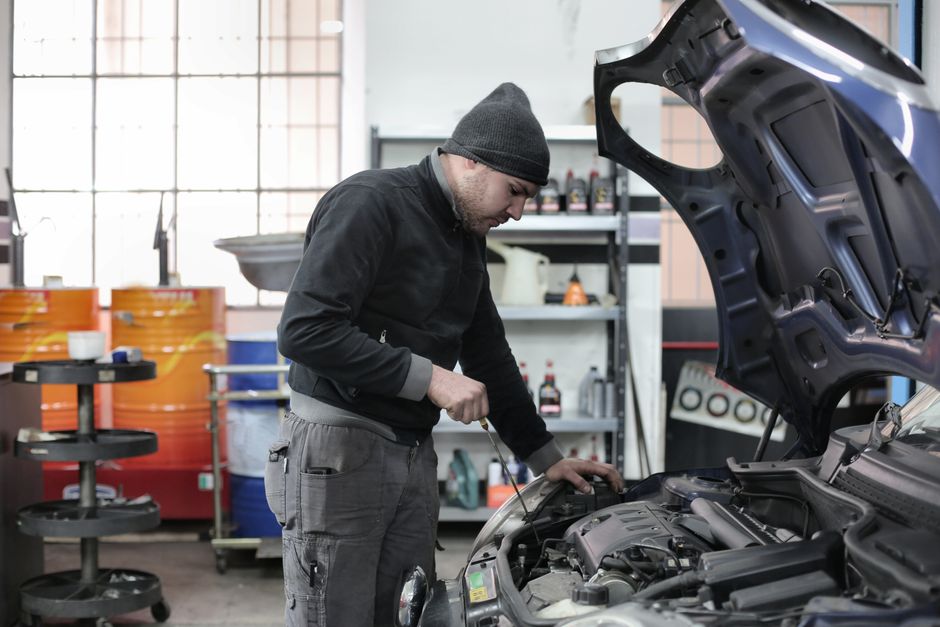
Most people assume a fender-bender is a fender-bender. You get a repair estimate, your insurer cuts a check, you pick up your car in a few days. Done. What I’ve found after spending months watching how insurers are handling claims on newer vehicles is that this assumption is quietly costing accident victims thousands of dollars, and it’s happening right now, in mid-2026, at a scale the industry hasn’t fully reckoned with publicly.
Here’s the specific problem. Modern vehicles, and we’re talking about a huge share of the active fleet at this point, are packed with sensors, cameras, and radar units that make up what’s called Advanced Driver Assistance Systems, or ADAS. Think automatic emergency braking, lane-keep assist, adaptive cruise control. These systems depend on precisely calibrated sensors. When your car gets hit, even lightly, those sensors can be knocked out of alignment or damaged outright. And recalibrating or replacing them isn’t cheap. According to Q4 2025 data from CCC Intelligent Solutions, 28.3% of all vehicle repairs now require at least one ADAS calibration. That number keeps climbing as more sensor-equipped vehicles age into everyday use. What surprised me was how fast this became a normal line item on repair estimates, almost without anyone stopping to explain to claimants what they were looking at or why insurers were pushing back on it.
The dollar amounts are real and they’re significant. AAA research puts ADAS-equipped vehicle repairs at 37.6% more expensive than non-equipped counterparts. A single sensor component can run $300 to $1,600 before a body shop touches a panel. A minor front-end collision can add $1,500 or more in radar and camera recalibration alone. That windshield replacement that cost you $300 a few years ago? It routinely runs $1,200 to $1,500 now once the forward-facing camera has to be recalibrated. Suddenly, an $800 fender-bender becomes a $4,000 or $5,000 repair.
- 28.3% of all vehicle repairs now require ADAS calibration, per CCC Intelligent Solutions Q4 2025 data.
- AAA research shows ADAS-equipped vehicles cost 37.6% more to repair than non-equipped vehicles.
- A simple windshield replacement now averages $1,200–$1,500 once camera recalibration is included.
- Skipping required calibration can void your safety-system warranty and endanger a future claim.
- Insurers are increasingly disputing calibration costs as "unnecessary" , and claimants often don't know to fight back.
Why Insurers Are Contesting These Costs Right Now
I’ll be honest: insurance companies have a financial incentive to treat ADAS calibration as optional or excessive. If they can successfully argue that a calibration isn’t strictly required by the damage, they can knock a significant dollar amount off a settlement or repair payment. The argument you’ll hear from adjusters goes something like this: “The collision only affected the bumper cover, so we’re not responsible for a sensor that was already there.” That framing sounds logical. It often isn’t.
The Highway Loss Data Institute published findings in March 2026 confirming something important: while ADAS technology does reduce crash frequency, when crashes do happen, collision severity and repair costs go up because the sensors themselves sustain damage and must be replaced or recalibrated. That’s not speculation. That’s the institute’s own conclusion. It matters for your claim because it directly counters the insurer’s argument that calibration is somehow separate from the accident. If the crash damaged the sensor, the crash caused the calibration cost. Full stop.
What makes this dispute especially frustrating for claimants is that the stakes aren’t just financial. Skipping manufacturer-required calibration can void your vehicle’s safety-system warranty and create a situation where a denied insurance claim follows a future accident. You accepted a quick settlement, the shop skipped the calibration to keep costs down, and now your ADAS systems are giving false readings. That’s a liability trap that didn’t exist five years ago.
The Real Cost Breakdown Most Claimants Never See
Helpful resource: Avery Durable Binder with Medical Records Organizer Pockets is a top-rated option for this. (As an Amazon Associate this site earns from qualifying purchases.)
Here’s a direct look at how fast these numbers compound on even a routine repair.
| Repair Type | Pre-ADAS Era Cost | Current Cost (2026) | Key Driver of Increase |
|---|---|---|---|
| Windshield replacement | $300–$400 | $1,200–$1,500 | Forward-camera recalibration |
| Front bumper repair (minor) | $600–$900 | $2,100–$2,400+ | Radar/sensor recalibration |
| Single ADAS sensor replacement | N/A | $300–$1,600 per component | Component cost + calibration labor |
| Multi-system luxury vehicle repair | N/A | $4,000–$5,000+ | Multiple sensor systems affected |
These figures aren’t outliers. They’re the current normal, drawn from AAA’s research and corroborated by what repair shops are charging right now. The gap between what an insurer’s initial estimate covers and what a proper, manufacturer-compliant repair actually costs is where claimants are getting hurt.
How This Hits Injury Claims, Not Just Property Damage
This is the piece most articles on ADAS repair costs skip entirely. If you’ve been injured in an accident, you’re probably focused on your medical bills and lost wages. But the property damage side of your claim affects your overall settlement more than people realize. Here’s why.
When an insurer undervalues your vehicle damage, it signals to the adjuster handling your bodily injury claim that your accident was minor. A $900 property damage payment looks like a tap. A $4,500 property damage payment with documented sensor damage looks like a real collision. That context matters for how your injuries are evaluated. Low-impact, low-damage cases are routinely used to challenge the legitimacy of injury claims. If your ADAS-related repair costs were disputed or quietly excluded from the property damage settlement, you may have accidentally handed the insurer ammunition to minimize your injuries.
There’s also something called diminished value, which is the reduction in your car’s market worth even after perfect repairs. ADAS-related damage is now a recognized factor in diminished value calculations. If your vehicle had sensors damaged and replaced, appraisers and attorneys working diminished value claims are specifically documenting ADAS repair history as a negative valuation factor. That’s a recoverable loss in most states, and most claimants never ask for it.
What to Do Before You Accept Any Settlement
The most important thing I can tell you, without giving you legal advice that only your attorney can properly provide, is this: don’t settle a property damage claim until you have a complete repair estimate that explicitly addresses every ADAS system on your vehicle.
Get the vehicle to a repair facility that documents ADAS calibration requirements in writing. Ask specifically whether any sensors, cameras, or radar units were affected. If the shop says they weren’t, get that in writing too. If the insurer’s appraiser excluded calibration from their estimate, ask them to put the reason in writing. The research on this is not mixed: manufacturer-required calibrations are not optional, and exclusions are often challenged successfully when claimants push back with documented scope.
A public adjuster or an independent vehicle appraiser who specializes in ADAS claims can be worth the fee if your repair costs are high. An attorney who handles property damage or personal injury claims can tell you whether the insurer’s position on calibration costs is defensible in your state.
The technology in your car was sold as a safety feature. The costs of maintaining that technology after an accident are real, documented, and increasingly contested by insurers who are betting you won’t know to ask. Now you do.
Sources
- ADAS Repair Costs and Insurance: Why Windshield Replacement Now Costs $1,500+ (April 19, 2026)
- ADAS Calibration Costs and Your Diminished Value Claim (April 20, 2026)
- Highway Loss Data Institute: ADAS Increase Safety Benefits, Collision Severity, and Repair Costs (March 31, 2026)
- 2026 Auto Market Trends: Vehicle Values, Insurance Claims, and Appraisals (March 16, 2026)
- How Much Does ADAS Sensor Replacement Cost in 2026? (2026)
Photo: Andrea Piacquadio via Pexels
This article is for general informational purposes only and does not constitute legal advice. Laws vary by state. Consult a licensed personal injury attorney in your jurisdiction for advice specific to your situation. Most personal injury attorneys offer free consultations.
Recommended Resources
Disclosure: As an Amazon Associate, we earn a small commission from qualifying purchases at no extra cost to you. We only recommend products that genuinely support the topics covered in this article.
- Victim to Victory: A Personal Injury Survival Guide (~$16), Written by a personal injury attorney, explains the full claims process, how insurance companies calculate settlements.
- Navigating Personal Injury Claims (~$14), Covers the pre-litigation claims process step by step, medical documentation, negotiation tactics, and what to expect.