 Jennifer Harris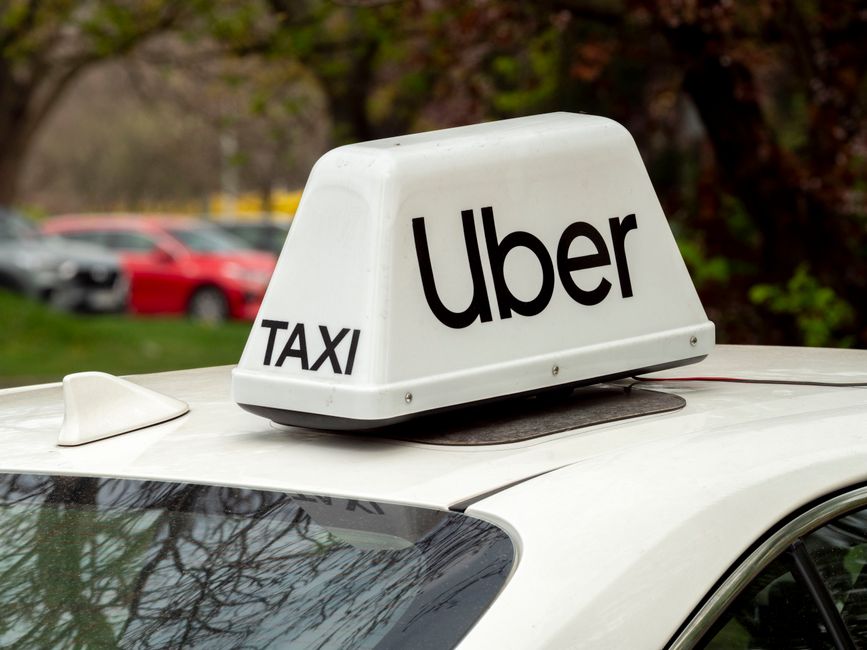
Picture this: you request an Uber after a work dinner, get into what looks like the right car, and something goes terribly wrong. The driver assaults you. You report it, Uber’s safety team sends a form email, and then the silence starts. You wonder if you have any real recourse against a company that calls its drivers “independent contractors” and has spent years arguing that label shields it from responsibility. If that situation sounds familiar, or if you’ve worried about it, what’s happening in federal court right now matters a lot to you.
Two back-to-back jury verdicts against Uber in 2026, plus a significant legal ruling in April, are quietly rewriting the rules for how much accountability rideshare companies have to passengers who are harmed. This isn’t abstract legal news. With 3,571 Uber sexual assault cases currently pending in federal MDL No. 3084 in the Northern District of California, and another batch of trials scheduled to start September 14, 2026, this story is still unfolding. Here’s what you actually need to understand.
Two Verdicts in a Row, and Why That Pattern Matters
A “bellwether trial” is a test case, chosen by the court to go first so that both sides can see how a real jury reacts to the evidence. The results don’t automatically bind anyone else’s case, but they send a powerful signal about settlement value and litigation risk. Lawyers on both sides watch them closely.
In February 2026, a Phoenix jury returned an $8.5 million verdict against Uber in the first of these test cases. According to MDL Update’s June 25, 2026 reporting on the bellwether verdicts, the jury found Uber liable under an “apparent-agency” theory, meaning that Uber created the impression that drivers were acting on its behalf, even if the company’s contracts said otherwise. Then in April 2026, a second jury found Uber liable again, this time in the assault of a passenger named Brianna Mensing in North Carolina.
Two consecutive plaintiff verdicts. That’s not a coincidence. That’s a pattern a defense team has to take seriously.
What most people don’t realize is how much the “independent contractor” argument has historically protected Uber in these cases. The company’s standard position has been: we’re a tech platform, the drivers are their own businesses, and their misconduct isn’t our problem. These verdicts suggest juries aren’t buying that framing anymore, at least not when they see how Uber’s app, branding, and safety promises all work together to make passengers trust that the person picking them up is vetted and accountable.
The Common-Carrier Ruling: A Legal Shift With Real Teeth
Helpful resource: Pendaflex Portable File Box for Legal Documents is a top-rated option for this. (As an Amazon Associate this site earns from qualifying purchases.)
The verdict that got less attention but may have the longest reach came not from a jury but from Judge Charles Breyer himself. On April 10, 2026, Judge Breyer ruled that Uber qualifies as a “common carrier” under North Carolina law.
Here’s why that matters. A common carrier, think airlines, buses, taxis, has a heightened, non-delegable duty of care to passengers. “Non-delegable” is the key phrase. It means Uber can’t hand that responsibility off to a driver and walk away clean. If a passenger is harmed, the company’s legal obligation to keep that person safe doesn’t disappear just because it subcontracts the actual driving.
This ruling came out of one state’s law, but as Chaffin Luhana LLP noted in their April 22, 2026 coverage of the second bellwether verdict, the implications stretch well beyond the two tried cases. Plaintiffs’ attorneys in other states are already arguing the same theory, and Judge Breyer’s reasoning will be cited in courtrooms across the country.
I’ve seen how insurance companies and corporate defendants respond to rulings like this. They don’t ignore them. They start reassessing their exposure, and that reassessment eventually affects whether cases settle and for how much.
What’s Different for Lyft Users
Uber isn’t the only company in the crosshairs. A separate Lyft sexual assault MDL, case number 3171, was consolidated on February 5, 2026, and assigned to Judge Rita F. Lin in San Francisco. It covers at least 17 lawsuits right now and is at an early discovery stage, meaning lawyers are exchanging documents and building their cases.
The Lyft litigation is earlier in the process, so there are no verdicts to point to yet. But what happens in the Uber trials directly influences how Lyft’s cases proceed. Same industry, same business model, similar legal arguments. If the common-carrier theory continues to gain traction in Judge Breyer’s courtroom, Lyft’s legal team is paying attention.
Here’s a quick comparison of where the two MDLs stand as of mid-2026:
| Factor | Uber MDL No. 3084 | Lyft MDL No. 3171 |
|---|---|---|
| Judge | Charles Breyer, N.D. Cal. | Rita F. Lin, N.D. Cal. |
| Cases pending (federal) | 3,571 | At least 17 (early stage) |
| Bellwether verdicts | 2 (both plaintiff wins) | None yet |
| Common-carrier ruling | Yes (April 10, 2026) | Not yet |
| Next trial date | September 14, 2026 | TBD |
| Additional bellwethers scheduled | 4 more after September | TBD |
What This Means If You Were Harmed
If you or someone you know experienced assault or serious injury during a rideshare trip, the legal ground has shifted in ways that make these cases more viable than they were even two years ago. That doesn’t mean they’re easy. It doesn’t mean you’ll get $8.5 million. Every case turns on its own facts, and the Lawsuit Information Center’s June 2026 litigation update notes there are also hundreds of additional cases moving through California state court, each with its own timeline.
What I’d tell a friend in this situation: don’t wait too long. Statutes of limitations vary by state and by the specific legal theory your attorney pursues. Evidence, including the trip record, the driver’s background check history, and Uber’s internal communications about that driver, can be harder to obtain the longer you wait. And in a litigation environment this active, the attorneys who specialize in these cases are building institutional knowledge fast.
You should talk to a personal injury attorney who has actual experience with rideshare cases, not just general tort work. Many work on contingency, meaning you pay nothing unless you recover money. Getting a consultation costs nothing and tells you a lot about where you stand.
What to Watch This Fall
The September 14, 2026 trial date before Judge Breyer is the next real inflection point. Four more bellwethers follow after that. If the plaintiff win streak continues, Uber’s calculus on settling the remaining 3,500-plus cases changes significantly. If Uber scores a defense win, the company gains leverage to push settlements lower or fight more cases to trial.
I’ve watched this dynamic play out before, in asbestos litigation, in product liability cases, in earlier rounds of rideshare injury lawsuits. The bellwether process exists precisely because resolving thousands of individual cases one at a time is unworkable. The verdicts are meant to pressure both sides toward realistic numbers.
For the people whose cases are in that MDL, it’s a slow process. It can feel like your experience is just a number on a docket. But what’s happening this year in Judge Breyer’s courtroom is real accountability, and for the first time, juries are saying clearly that being picked up in a car with an Uber logo on it comes with a promise that matters legally.
If you’ve been harmed, please talk to an attorney. If you haven’t, it’s worth knowing that the law is finally starting to catch up with the business model.
Sources
- Uber MDL Update: First Two Bellwether Verdicts + Common-Carrier Ruling (2026) (June 25, 2026)
- Uber Sexual Assault Lawsuit | June 2026 Litigation Update (June 2026)
- Federal Jury Once Again Finds Uber Responsible for Driver Assault at Second Consecutive Bellwether Trial (April 22, 2026)
- Uber Sexual Assault Verdict Signals Shift in Rideshare Liability (February 19, 2026)
- Rideshare Abuse Leads: Mass Tort Updates & Legal Rights 2026 (June 23, 2026)
This article is for general informational purposes only and does not constitute legal advice. Laws vary by state. Consult a licensed personal injury attorney in your jurisdiction for advice specific to your situation. Most personal injury attorneys offer free consultations.
Recommended Resources
Disclosure: As an Amazon Associate, we earn a small commission from qualifying purchases at no extra cost to you. We only recommend products that genuinely support the topics covered in this article.
- Victim to Victory: A Personal Injury Survival Guide (~$16), Written by a personal injury attorney, explains the full claims process, how insurance companies calculate settlements.
- Navigating Personal Injury Claims (~$14), Covers the pre-litigation claims process step by step, medical documentation, negotiation tactics, and what to expect.