 Rachel Thompson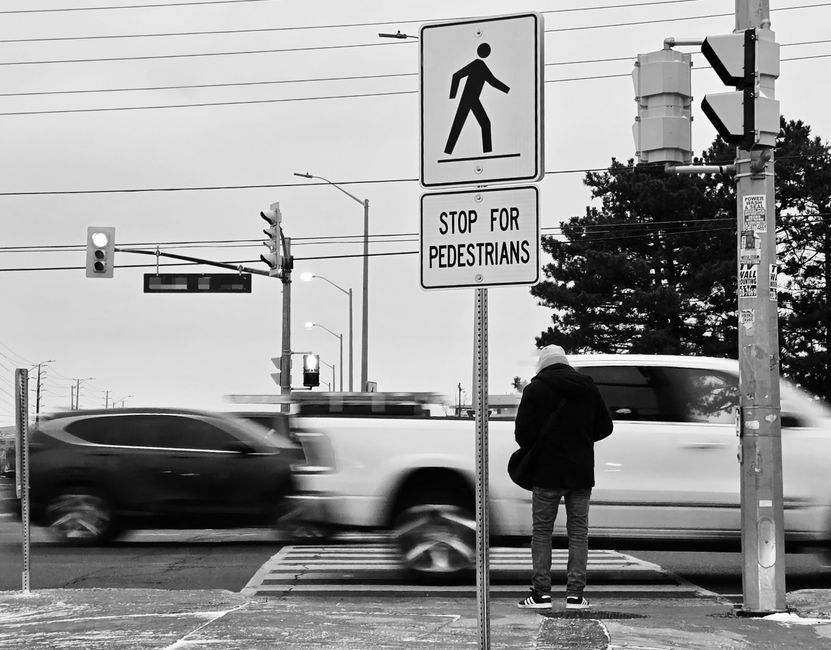
You’re walking home from the grocery store, bags cutting into your fingers, crossing at a marked crosswalk with the walk signal. A driver runs the light, clips you, and suddenly the pavement is coming up fast. They get out, apologizes, says their insurance will “take care of everything.” Three weeks later: fractured ankle, medical bills piling up, an insurance adjuster on the phone offering $1,800 to sign away all your rights. This happens thousands of times every year, and I’ve seen it from both sides.
Pedestrians hit by vehicles face longer recoveries and more complex legal battles than passengers in cars. The CDC’s data is consistent on this. Yet most people have no idea what their claim is worth, what mistakes tank a case in the first 72 hours, or how insurance companies actually think. Let me explain what you need to know.
Why Pedestrian Claims Are Different From Other Car Accident Cases
Get this part first because it changes everything that follows.
When two cars collide, both drivers have insurance and adjusters swap information. When a car hits a pedestrian, you usually have no vehicle insurance tied to the incident. That flips the whole dynamic. You’re dealing with the at-fault driver’s liability coverage, and your interests are directly opposed to what that insurer wants to pay. The adjuster who calls within 24 hours sounds helpful. Being friendly early is a documented tactic to get recorded statements and quick settlements before you understand your full injuries.
Physical severity matters too. A car bumper at 25 mph transfers enormous force to an unprotected body. Fractures, traumatic brain injuries, internal bleeding, spinal damage, these are common. But some injuries, especially soft tissue damage and concussions, don’t show up for days or weeks. Accepting a settlement before you know your full diagnosis costs you thousands. Maybe more.
Then there’s comparative fault. Adjusters are trained to find reasons you share some responsibility: you wore dark clothing, you weren’t at a marked crossing, you were on your phone. In many states, your compensation gets reduced by your percentage of fault. In a few states, any fault wipes out recovery entirely. Knowing this happens is your first defense against it.
The First 72 Hours: What You Do Right Now Matters
Helpful resource: How to Win Your Personal Injury Claim by Joseph Matthews (Nolo) is a top-rated option for this. (As an Amazon Associate this site earns from qualifying purchases.)
I’ve watched solid cases get damaged, sometimes permanently, by what happens in the first three days. Here’s what to actually do.
Get medical care, even if you feel fine. Adrenaline hides pain. A soft tissue neck injury or slow intracranial bleed can feel like nothing until it’s serious. Seeing a doctor creates a medical record linking your injuries to the accident. A gap between the accident and your first doctor visit gives insurers ammunition: your injuries happened elsewhere, or they weren’t serious.
Call police and get the report number. Even for low-speed hits, a police report documents the scene, the driver, and whether citations were issued. Get that report number before you leave.
Photograph everything at the scene. If you safely can: the intersection, crosswalk markings, skid marks, the vehicle, your injuries. Get witness contact info. Witnesses disappear, and their accounts are invaluable if fault gets disputed later.
Don’t give a recorded statement to the other driver’s insurance. This one matters. You’re not legally required to speak with their insurer. They’ll ask to record. They’ll ask questions designed to get you to downplay injuries or admit fault. Decline politely and talk to a personal injury attorney before you say anything on record.
Write everything down. A simple daily injury journal, pain level, what you couldn’t do, medical appointments, how you felt emotionally, creates a contemporaneous record that’s persuasive later. Structured injury documentation journals online (the site may earn a commission from purchases) make this easier to stay consistent with.
Understanding What Your Claim Is Actually Worth
This is where most people get confused, and it’s exactly where the insurance company wants you.
A pedestrian injury claim breaks into several distinct categories.
Economic damages are calculable losses: medical bills (current and future), lost wages during recovery, and out-of-pocket costs directly caused by the accident like transportation to appointments or home care assistance.
Non-economic damages cover pain and suffering, emotional distress, loss of enjoyment of life, and in severe cases, disfigurement. These have no receipts, which is why insurers undervalue them. But they’re real, legally compensable, and often the largest piece of a settlement.
Punitive damages are rare and require egregious conduct, like a drunk driver or street racing. They punish rather than compensate.
I’m not throwing out dollar ranges because your situation is specific: injury severity, your state’s laws, the at-fault driver’s coverage limits, whether you have your own uninsured/underinsured motorist coverage. What I will tell you is that Nolo’s resources explain how damages get calculated if you want to understand the mechanics before talking to an attorney.
Insurance Coverage: Whose Policy Pays, and What Happens When It’s Not Enough
Here’s what surprises most pedestrians: your own auto insurance policy might matter even though you weren’t in a car.
The at-fault driver’s liability coverage is primary. This insurer will deny, delay, minimize. Their coverage limits cap what you collect from them, regardless of your actual damages.
Your own uninsured/underinsured motorist (UM/UIM) coverage can save you if the at-fault driver has no insurance or limits that don’t cover your injuries. Many auto policies extend UM/UIM to policyholders struck as pedestrians. Check your own policy. Ask your insurer directly. This isn’t the same conflict-of-interest situation as adverse insurance, but be careful about what you say anyway.
Medical payments (MedPay) or Personal Injury Protection (PIP) from your own auto policy covers medical bills quickly, regardless of fault. PIP is required in no-fault states. Even in fault states, MedPay fills gaps while the liability claim resolves.
Health insurance will likely cover treatment, but if you later settle with the at-fault driver’s insurer, your health insurer may have a subrogation right, meaning they can claim reimbursement from your settlement. An attorney can help you understand how this affects your net recovery.
How the Claims Process Actually Unfolds
Step by step.
- Preserve evidence. Photographs, witness contacts, police report, medical records and bills, pay stubs if you missed work.
- Open a claim with the at-fault driver’s insurer. Report the accident. Don’t accept fault or give detailed statements without representation.
- Complete your medical treatment or reach maximum medical improvement (MMI). MMI is when doctors say your condition has stabilized. Settling before MMI usually backfires because you don’t yet know total medical costs or long-term prognosis.
- Calculate damages. All medical bills, projected future treatment, documented lost wages, reasonable pain and suffering figure.
- Send a demand letter. This formal letter outlines what happened, fault, your injuries, damages, and your settlement demand. The insurer responds with a counteroffer.
- Negotiate. This is where an attorney earns their fee. Personal injury attorneys work on contingency, meaning you pay nothing unless you win and their fee comes from the settlement. An experienced attorney often gets significantly more than an unrepresented claimant, even after the fee.
- Settlement or lawsuit. Most pedestrian claims settle without filing suit. If the insurer won’t offer fair value, an attorney can file, which changes their calculus.
Medical records organization matters throughout this process. A medical records organizer or claim workbook (the site may earn a commission) lets you track every appointment, diagnosis, and bill in one place instead of scrambling through scattered papers when you need them.
Getting hit by a car is terrifying, and what comes next can feel just as overwhelming. But you have rights and options. Don’t make decisions in shock or financial panic, and don’t assume the other driver’s insurer is helping you. Take time to understand your injuries, document everything, and talk to a personal injury attorney before signing anything. Most offer free consultations. That conversation could be the difference between a settlement that covers your losses and one that leaves you paying bills for years.
This article is for general informational purposes only and does not constitute legal advice. Laws vary by state. Consult a licensed personal injury attorney in your jurisdiction for advice specific to your situation. Most personal injury attorneys offer free consultations.
Sources
- How to Win Your Personal Injury Claim by Joseph Matthews (Nolo)
- Fireproof Waterproof Document Bag for Medical and Legal Papers
- Nolo’s Plain-English Law Dictionary
- Victim to Victory: A Personal Injury Survival Guide
- Navigating Personal Injury Claims
Disclosure: As an Amazon Associate, we earn a small commission from qualifying purchases at no extra cost to you. We only recommend products that genuinely support the topics covered in this article.
- Victim to Victory: A Personal Injury Survival Guide (~$16), Written by a personal injury attorney, explains the full claims process, how insurance companies calculate settlements.
- Navigating Personal Injury Claims (~$14), Covers the pre-litigation claims process step by step, medical documentation, negotiation tactics, and what to expect.
Recommended Resources
Disclosure: As an Amazon Associate, we earn a small commission from qualifying purchases at no extra cost to you. We only recommend products that genuinely support the topics covered in this article.
- Victim to Victory: A Personal Injury Survival Guide (~$16), Written by a personal injury attorney, explains the full claims process, how insurance companies calculate settlements.
- Navigating Personal Injury Claims (~$14), Covers the pre-litigation claims process step by step, medical documentation, negotiation tactics, and what to expect.